How to Choose a Drone Motor Supplier: OEM & ODM Guide for FPV Motors
A drone motor supplier should be judged on five things: in-house manufacturing, per-unit quality testing, KV tolerance control, OEM/ODM flexibility, and sample-to-bulk process. Before you commit to a factory, ask how they wind and test motors, what KV tolerance they hold across a batch, and whether they can customize shaft, cable, connector, and logo. A factory-direct supplier with 10+ years of motor manufacturing experience and certified quality systems (CE, RoHS, FCC) will beat a trading company that simply resells branded stock. This guide explains exactly what to check, based on how Yadovex actually builds motors.
- Verify factory-direct status: ask for in-house production, plant address and testing equipment — avoid trading companies.
- Check quality control: confirm they measure KV, no-load current and resistance per unit, not just spot-check samples.
- Confirm customization: a real OEM/ODM partner handles KV, shaft size, cable length, connector, propeller adapter, logo and packaging.
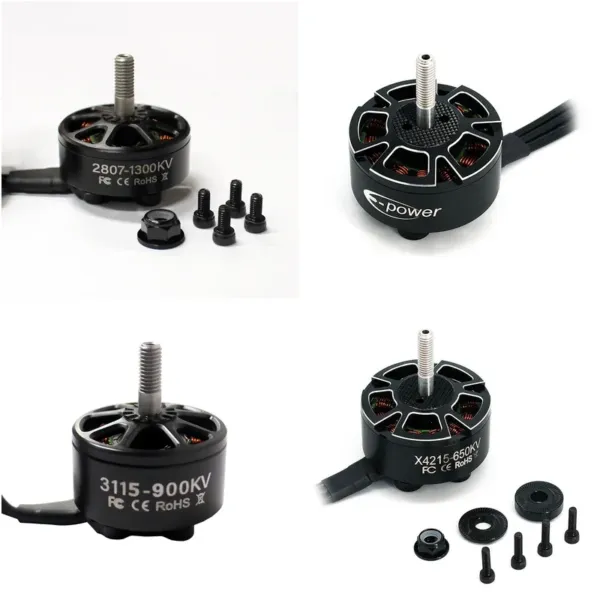
- Demand test data: real thrust curves (like our 3115-900KV measured at 4.6-5.2 kg on 6S) prove capability.
- Start with samples: validate before bulk — a reliable supplier offers sample testing first.
What Makes a Drone Motor Supplier Factory-Direct?
A “supplier” and a “factory” are not the same thing. A factory-direct drone motor supplier owns the production line — winding, assembly and testing all happen in-house. A trading company buys from factories and resells with a margin, which means slower communication, less control over quality, and no real customization depth. Three checks separate them:
- Plant and equipment: a real factory has automated winding and testing equipment on site. Yadovex operates from the Zhongkai High-tech Zone in Huizhou, Guangdong, with 100+ employees and complete production and testing lines.
- Engineering staff: 10+ on-site engineering technicians means they can solve winding, KV and mounting problems — not just forward your questions.
- Certifications: CE, RoHS and FCC compliance across the product range indicates a manufacturing operation, not a reseller.
You can see the company background and facility details on our About Us page and Company Profile.
The 5 Questions to Ask Any Drone Motor Supplier
These five questions will expose the difference between a serious manufacturer and a reseller faster than anything else:
| Question | What a good answer looks like |
|---|---|
| Do you manufacture in-house? | Yes — plant address, winding line and test equipment shared openly |
| What is your KV tolerance across a batch? | ±5% (a ±10% tolerance means inconsistent performance between units) |
| Do you test every motor or only samples? | Per-unit KV, no-load current and resistance measurement |
| What can you customize? | KV, shaft size, cable length, connector, propeller adapter, logo, packaging |
| Can you share test data? | Thrust curves, RPM and efficiency measured on their own rig |
These same questions are what serious distributors ask us, and we answer them with real data from our test rig.
OEM vs ODM: What a Real Customization Partner Does
OEM (original equipment manufacturer) and ODM (original design manufacturer) are often used interchangeably, but they matter differently for drone motors:
- OEM: you provide the spec (KV, size, performance targets), the factory builds it to your requirement and can put your logo on it.
- ODM: the factory designs and builds the product to a market need, and you brand it — faster when you trust the factory’s engineering.
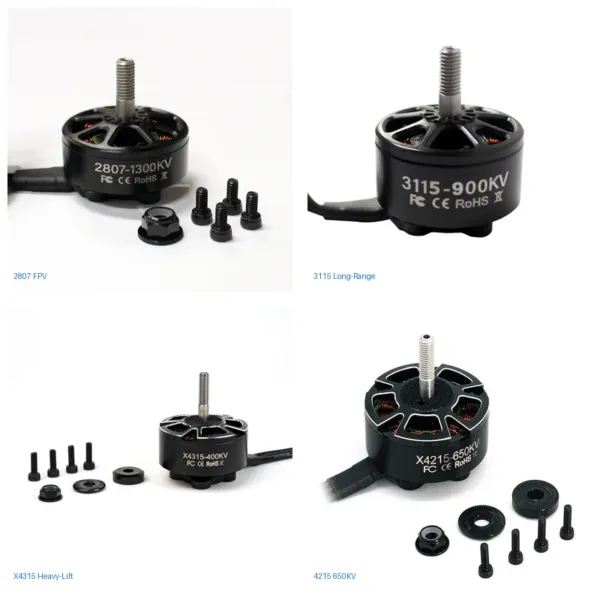
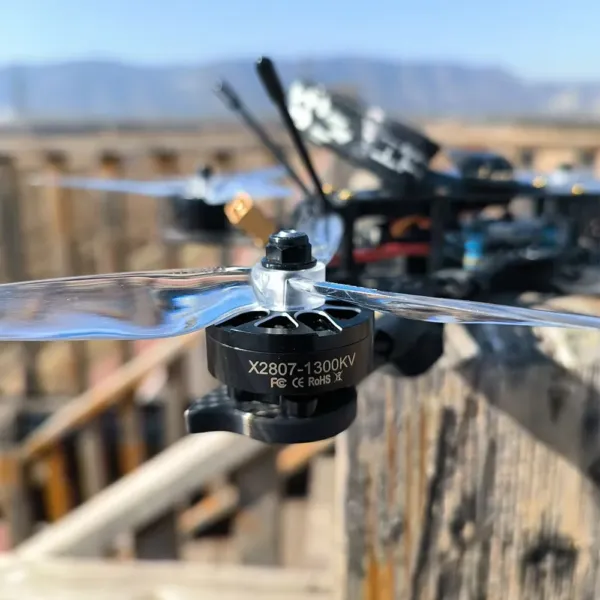
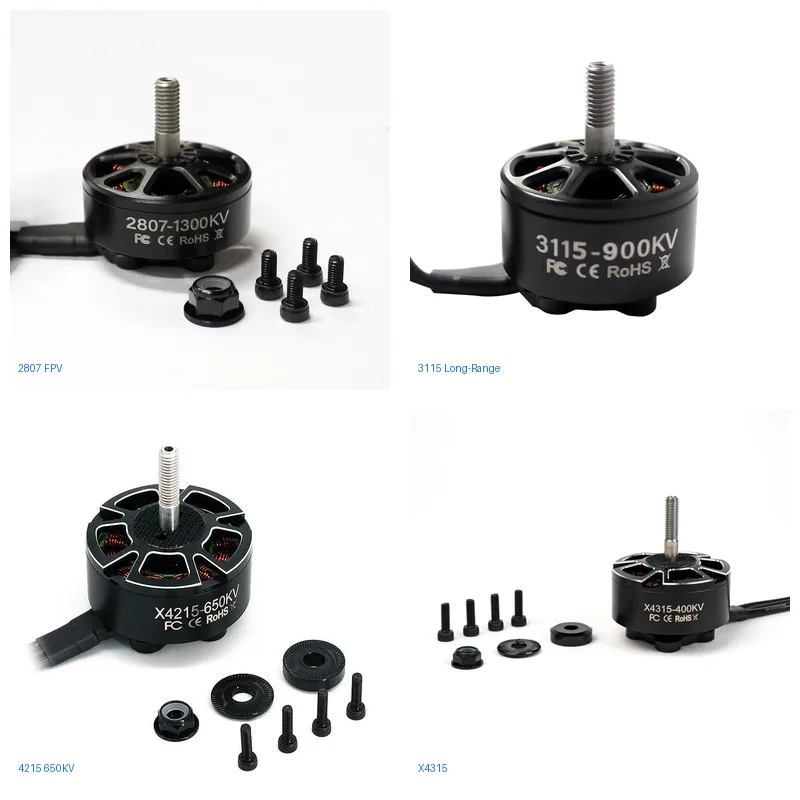
At Yadovex both routes cover the full customization list: motor KV, shaft size, cable length, connector type, propeller adapter, logo marking and packaging. The engineering team handles the complete process from sample prototyping to mass production. For example, the 2807 series ships in 900/1300/1500/1700KV winds — but we can also wind to a custom KV for your airframe and battery combination. See the range in our brushless motor category.
Quality Control: What Happens Between Winding and Shipping
Quality control is where factories differ most. The difference between a good motor and a bad one is usually not the design — it is the consistency of the production process:
- Magnet grade: N45SH-class neodymium magnets and thin 0.15 mm silicon-steel laminations reduce loss and improve torque per gram.
- Winding consistency: automated winding produces even copper fill; inconsistent hand-winding creates hot motors that sag under load.
- Bearings: NSK/NMB ball bearings keep the rotor smooth over hundreds of flights.
- Per-unit testing: KV, no-load current and resistance measured on every motor, not just a sample from the batch.
These are the same details you can read on our product pages — for example the 4215 650KV lists its magnet, lamination and bearing specs openly.
Real Test Data: Proof a Supplier Can Deliver
Ask any supplier for test data, then check whether the numbers are real. Here is measured data from our rig — a 3115-900KV long-range motor on 6S with a 10-inch prop:
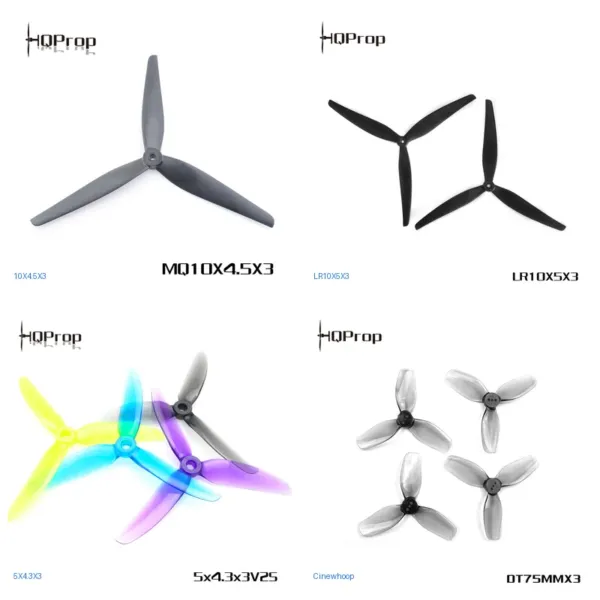
- Thrust: 4.6-5.2 kg per axis on a 10×4.5 or 10×5 three-blade prop — enough for a 2-2.5 kg all-up X8/X9/X10 class airframe with margin.
- No-load speed: roughly 20,000 RPM on 6S, which puts 10-inch props in the most efficient band.
- Weight: 107 g excluding cables — high thrust without the mass penalty of heavy-lift cans.
The 4215 650KV heavy-lift motor is rated at up to 27 kg max thrust and 4200 W — the kind of spec you only get from a manufacturer that publishes what it actually builds. If a supplier cannot share this level of detail, treat their claims with caution.
Factory vs Trading Company: What You Actually Get
The fastest way to filter suppliers is to compare what a factory-direct manufacturer and a trading company each deliver:
| Factor | Factory-direct (e.g. Yadovex) | Trading company |
|---|---|---|
| Production | In-house winding, assembly, testing | Resells stock from other factories |
| Customization | KV, shaft, cable, connector, logo, packaging | Limited or none |
| Quality control | Per-unit KV and no-load testing | Relies on factory QC, no control |
| Test data | Publishes measured thrust curves | Rarely shares real data |
| Communication | Direct with engineers | Mediated, slower |
| Pricing | Factory-direct, no middleman margin | Adds margin on top |
This is why distributors and OEM buyers increasingly source factory-direct: the quality control, customization depth and pricing all improve, and the communication loop is shorter.
From Sample to Bulk: The Process That Protects You
A reliable drone motor supplier follows a clear sample-to-bulk path. This is the process we use for every new customer:
- Spec discussion: you share your airframe, propeller size, battery and payload; we recommend motor class and KV.
- Sample build: prototype motors built to your spec, with custom KV, shaft, cable or connector if needed.
- Sample validation: you test on your own rig; we share our measured thrust data for comparison.
- Bulk production: production runs with per-unit testing and consistent KV tolerance.
- Repeat supply: bulk shipments with packaging and logo options, and engineering support for iteration.
This is how we work with distributors and OEM buyers across 30+ countries in Europe, the Americas and Southeast Asia — sample validation first, then repeat bulk shipments.
FAQ
How do I find a reliable drone motor supplier?
Verify factory-direct status (in-house production, plant address, test equipment), check certifications (CE, RoHS, FCC), ask about per-unit testing and KV tolerance, and demand real test data before ordering. Then start with samples, not bulk.
What is the difference between OEM and ODM for drone motors?
OEM means you provide the spec and the factory builds to it; ODM means the factory designs the product and you brand it. Both should cover KV, shaft, cable, connector, propeller adapter, logo and packaging customization.
How much does a custom drone motor cost?
It depends on stator size, wind complexity, volume and customization depth. A serious supplier gives you a sample quote after the spec discussion — expect sample costs to be offset or included in bulk pricing. Contact us with your airframe and prop size for a quote.
What is a good MOQ for drone motor orders?
MOQ varies by model and customization. Standard models can be ordered in small quantities; custom OEM/ODM runs typically need higher volumes to justify tooling and setup. Ask the supplier for their MOQ by model.
Should I buy from a factory or a trading company?
A factory-direct supplier gives you better quality control, faster communication and real customization depth. Trading companies add margin and distance from production. For OEM/ODM work, go factory-direct.
Can you send samples before a bulk order?
Yes. Yadovex supports sample testing for validation before bulk production — you test on your rig, we share measured thrust data, and only then do we move to bulk. This is standard practice for every new customer.
Final Verdict
Choose a factory-direct drone motor supplier with in-house manufacturing, per-unit testing and real OEM/ODM capability — not a trading company. Ask the five questions above, demand test data, and start with samples. Yadovex is one such manufacturer: 10+ years of motor production experience, 100+ employees, CE/RoHS/FCC certified, with a customization list that covers KV, shaft, cable, connector, propeller adapter, logo and packaging — and we publish our measured thrust data openly.
Ready to discuss your project? Contact Yadovex with your airframe, propeller size and target performance — we will recommend the right motor and KV, send samples for validation, and support you from prototyping through repeat bulk shipments. You can also reach us directly at sales@yadovex.com or on WhatsApp.

Hallen Liu is a product and sourcing specialist at Yadovex, a China-based supplier of FPV and UAV brushless motors, servos and propellers. He works directly with drone builders, distributors and OEM buyers on motor selection, thrust-test data, custom KV and OEM/ODM orders — from sample validation through repeat bulk shipments.